
Transforming Your Outdoor Space: Before and After Hardscaping Magic
Creating an inviting and functional outdoor space can dramatically improve your home's appeal and your enjoyment of your property. Hardscaping the use of non-living elements like stone, concrete, wood, and metal plays a crucial role in shaping these spaces. This post explores how hardscaping transforms outdoor areas, showcasing the striking differences between before and after projects. Whether you want to upgrade a dull backyard or add structure to a sprawling garden, understanding hardscaping’s impact can inspire your next project.
What Is Hardscaping and Why It Matters
Hardscaping refers to the solid, structural elements in your outdoor environment. This includes patios, walkways, retaining walls, fire pits, decks, and water features. Unlike plants and greenery, hardscape materials provide form and function that last through seasons and weather changes.
Hardscaping matters because it:
Defines outdoor rooms and spaces
Controls erosion and drainage
Adds value to your property
Creates low-maintenance areas
Enhances safety and accessibility
Without hardscaping, outdoor spaces can feel unorganized or underused. Adding these elements brings order and purpose, turning a patch of grass into a welcoming retreat.
Before: Common Challenges in Outdoor Spaces
Many homeowners face similar issues before hardscaping:
Uneven or muddy ground that limits use
Lack of clear pathways or seating areas
Overgrown or sparse landscaping without structure
Poor drainage causing puddles or erosion
Minimal privacy or wind protection
For example, a typical backyard might be a flat lawn with no defined zones. This setup often leads to underutilized space and frustration when hosting gatherings or relaxing outdoors.
After: How Hardscaping Transforms Outdoor Spaces
Hardscaping projects can completely change the look and feel of your yard. Here are some common transformations:
Creating Functional Zones
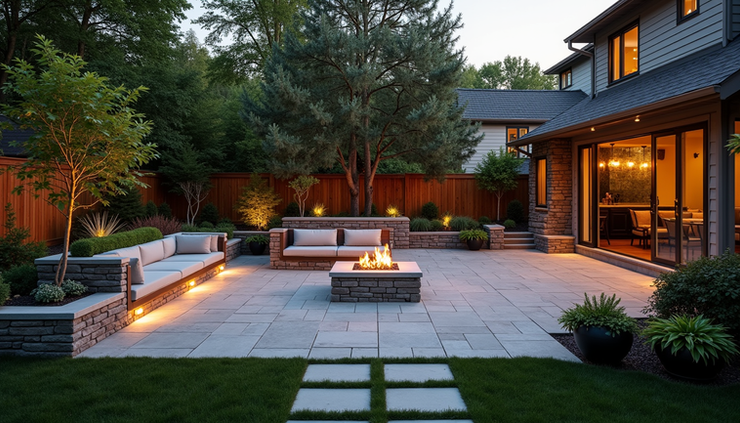
Adding a patio or deck creates a dedicated space for dining, lounging, or entertaining. Stone or concrete pavers provide a stable surface that stays clean and dry. Built-in seating or fire pits encourage socializing and extend the use of the space into cooler evenings.
Improving Flow and Accessibility
Walkways made from flagstone, brick, or gravel guide movement through the garden. They connect different areas like the house, garden beds, and shed, making the yard easier to navigate. This also protects grass and plants from foot traffic damage.
Managing Water and Soil
Retaining walls and drainage channels prevent soil erosion and water pooling. These structures protect your plants and foundation while adding visual interest. For sloped yards, terracing with stone walls creates flat planting areas and reduces runoff.
Adding Visual Appeal and Texture
Hardscape materials introduce texture and color contrasts that complement greenery. For example, a dark slate patio contrasts beautifully with bright flowers. Decorative elements like stone benches, pergolas, or fountains add character and charm.
Real-Life Example: Backyard Hardscaping Makeover
Consider a suburban backyard that started as a plain grass lawn with patchy areas and poor drainage. The homeowner wanted a space for family gatherings and quiet relaxation.
Before:
Uneven ground with muddy spots after rain
No seating or defined areas
Sparse landscaping with few plants
After:
Installed a large stone patio with a built-in fire pit
Added curved retaining walls to create raised garden beds
Laid gravel pathways connecting the patio to the garden and garage
Planted shrubs along the walls for privacy and greenery
This transformation created a multi-use outdoor room that stays dry and inviting year-round. The hardscape elements provide structure and function, while the plants soften the space.
Tips for Planning Your Hardscaping Project
To get the best results, consider these practical tips:
Assess your needs: Think about how you want to use the space. Do you need dining areas, play zones, or quiet retreats?
Choose materials wisely: Select materials that match your home’s style and climate. Natural stone works well in rustic settings, while concrete suits modern designs.
Plan for drainage: Ensure water flows away from your home and doesn’t pool on patios or paths.
Incorporate lighting: Outdoor lighting extends usability and adds ambiance.
Hire professionals if needed: Complex projects like retaining walls or large patios may require expert installation.
Maintaining Your Hardscape
Hardscaping is generally low maintenance but still needs care to stay in good shape:
Sweep or hose off patios regularly to prevent dirt buildup
Seal stone or concrete surfaces every few years to protect against weathering
Check retaining walls for cracks or shifting
Keep drainage channels clear of debris
Proper maintenance preserves your investment and keeps your outdoor space looking fresh.
Bringing It All Together
Hardscaping can turn an ordinary yard into a beautiful, functional extension of your home. By adding patios, walkways, walls, and other features, you create spaces that invite use and enjoyment. The before and after differences are often dramatic, showing how thoughtful design and quality materials improve both form and function.


Comments